Is That TikTok Shop or Instagram Ad Store a Scam?
Updated 2026-09-08 · HasTrust
You see a product in your feed — half price, viral video, countdown timer — and the ad wants you to buy right now. That urgency is exactly why scammers love TikTok and Instagram ads. Most stores advertising there are real, but the fake ones are built to look identical. Here is what to check first, in the order that catches the most scams fastest.
Know what you're actually buying from
There are two very different setups, and the risk is not the same:
- TikTok Shop sellers sell inside the app. TikTok holds your payment until delivery and offers buyer protection, so your worst case is usually a bad product, not stolen money.
- Ad-linked external stores (most Instagram ads, and TikTok ads that open a website) take you to an independent site. The platform does not protect that purchase at all. This is where almost all the real damage happens.
Before anything else, notice which one you're dealing with. If the ad kicks you out of the app to an unfamiliar website, slow down — every check below matters.
The 60-second check inside the app
Open the seller's profile, not just the ad
Tap through to the account behind the ad. Look at:
- Account age and history. A store account created recently, with only product posts and no older content, is a common scam pattern.
- Follower-to-engagement ratio. Thousands of followers but two or three generic comments per post suggests bought followers.
- Comments turned off. Scam stores disable or delete comments so victims can't warn others. That alone is a strong red flag.
- Seller ratings (TikTok Shop). Open the shop tab and read the negative reviews specifically — look for "never arrived," "nothing like the video," or "can't get a refund."
Sanity-check the price
Search the exact product elsewhere. If a gadget sells for $80 everywhere and the ad offers it for $19, you'll either get a cheap knockoff or nothing. Many ad stores simply resell items you can find on large marketplaces like Temu or AliExpress at triple the price — same product, weeks of shipping, none of the marketplace's buyer protection.
Red flags in the ad itself
- Stolen or AI-polished video. Do a reverse image search on a screenshot of the product. If the same footage appears under different brand names, the "brand" doesn't exist.
- Fake scarcity. "Only 3 left," permanent countdown timers, and "closing down sale" banners that never end are pressure tactics, not information.
- Too-good claims. "90% off," miracle results, celebrity endorsements you can't verify — legitimate brands rarely advertise this way.
- Brand-name products at outlet prices. Ads selling famous sneakers, jewelry, or designer fashion at a fraction of retail are selling counterfeits at best.
Check the store behind the ad
If the ad leads to an external website, spend two minutes on it before entering card details:
- Run the URL through a checker. Paste the store's address into HasTrust to see its trust signals, domain age, and what other shoppers report. A "brand" whose website was registered a few weeks ago is the single most reliable warning sign.
- Find the legal pages. Scroll to the footer. A real store lists a company name, physical address, and a working contact method. "Contact us" that's only a web form, or an address that turns out to be a random house on Maps, is a bad sign.
- Read the refund policy closely. Scam stores hide impossible conditions: returns to a warehouse in another country at your cost, 7-day windows that expire before slow shipping arrives, or restocking fees near the item's price.
- Search the store name plus "reviews" and "scam." Look beyond the first result — check Trustpilot, Reddit, and complaint forums. No results at all for an allegedly popular brand is itself suspicious.
- Test the site's polish. Click three or four menu links. Broken pages, placeholder text, or product photos with different watermarks point to a site thrown together in an afternoon.
Payment: your last line of defense
However convinced you are, the payment method decides whether you can get money back:
- Use a credit card or PayPal Goods & Services. Both let you dispute a charge if nothing arrives or the item is fake.
- Never pay by bank transfer, crypto, gift cards, or friends-and-family transfers. No legitimate store requires these, and that money is gone.
- Watch for checkout redirects. If the payment page jumps to an unrelated domain or asks for card details over chat or DM, stop.
If you already ordered — or got a suspicious message
Ordered and now have doubts? Contact your card issuer or PayPal early; disputes have time limits, so don't wait months while a seller strings you along with fake tracking numbers. Report the seller inside TikTok or Instagram so the ad gets pulled. If the "store" followed up by DM, email, or text — a delivery fee request, a refund form asking for card details — paste the message into the HasTrust scam checker before you click anything; follow-up messages are often a second scam aimed at the same victim.
The pattern to remember: real stores survive scrutiny, scam stores rely on impulse. Any shop that's still legitimate after two minutes of checking will still have that discount when you're done looking.
Frequently asked questions
Is TikTok Shop itself safe to buy from?
TikTok Shop is a legitimate marketplace with buyer protection: payment is held until delivery and you can open a dispute in the app. Individual sellers vary, though, so check the seller's ratings and negative reviews before ordering. The bigger risk is ads that lead outside the app to independent websites, where TikTok's protection doesn't apply.
How can I tell if an Instagram ad store is fake?
Open the account behind the ad and look for a recently created profile, disabled comments, and bought-looking followers. Then check the website itself: run the URL through a site checker, confirm the footer lists a real company name and contact details, and search the store name plus "reviews" on independent sites. A very new domain with too-good prices is the strongest warning sign.
What do I do if I bought from a scam store on TikTok or Instagram?
If you bought inside TikTok Shop, open a dispute in the app. If you paid an external website, contact your credit card issuer or PayPal quickly and file a dispute or chargeback — these have time limits. Also report the seller in the app so the ad is removed, and ignore any follow-up messages asking for fees or card details, which are usually a second scam.
Why do products from Instagram ads take weeks to arrive?
Many ad stores are dropshippers: they don't hold stock, and after you order they buy the item cheaply from an overseas marketplace and have it shipped directly to you. That's why delivery takes weeks and the item often looks worse than the video. It's not always a scam, but you're usually paying a big markup for something you could order yourself for less.
Is it safe to pay a TikTok or Instagram store by bank transfer?
No. Bank transfers, crypto, gift cards, and friends-and-family payment transfers offer no buyer protection and are almost impossible to reverse. No legitimate online store requires them. Pay by credit card or PayPal Goods & Services so you can dispute the charge if the order never arrives or is counterfeit.
Sources
- 'I was scammed by a fake TikTok shop' - Which? · 2026-01-28
- TikTok Shop Refund Not Working Here’s How to Get Your Money Back Fast
- TikTok Shop Scams UK: Spot Fake Sellers & Bad Deals · 2026-05-04
- TikTok Shop Knockoff Scam | FakeOrLegit · 2026-05-27
- Watch out for fake TikTok Shops trying to steal your money | Malwarebytes · 2026-08-11
- Is TikTok Shop Safe & Legit? What Buyers Should Know · 2025-12-08
More in Fake and copycat shops
Not sure about a specific shop?
Paste its name or web address and get a trust score in seconds — or paste a suspicious message into the scam checker.
Related checks
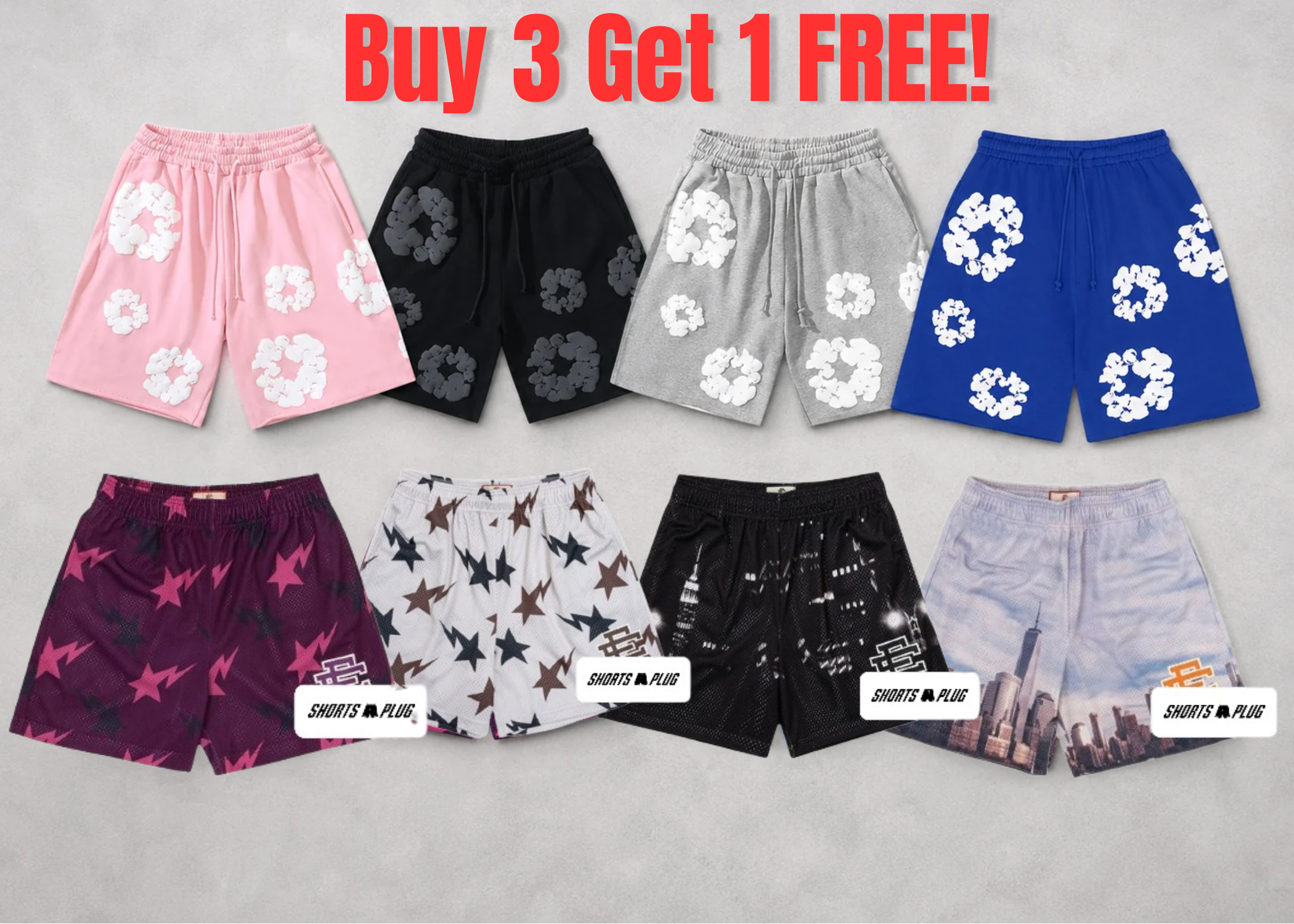 0is shortsplug.shop legitHigh riskSkip
 20is novessaro.shop legitHigh riskSkip