Nike Air Zoom Pegasus ou Invincible Run : Laquelle faut-il choisir en confiance ?
HasTrust évalue Nike Air Zoom Pegasus or Invincible Run comme Fiable (100/100), vérifié le 2026-06-23: Pegasus : Excellente polyvalence et rapport coût par mile; Pegasus : Durable et stable sur diverses surfaces; Invincible : Amorti ZoomX haut de gamme, semblable à un nuage, pour la protection des articulations.
nike.com est-il fiable ? → Mitigé 60/100
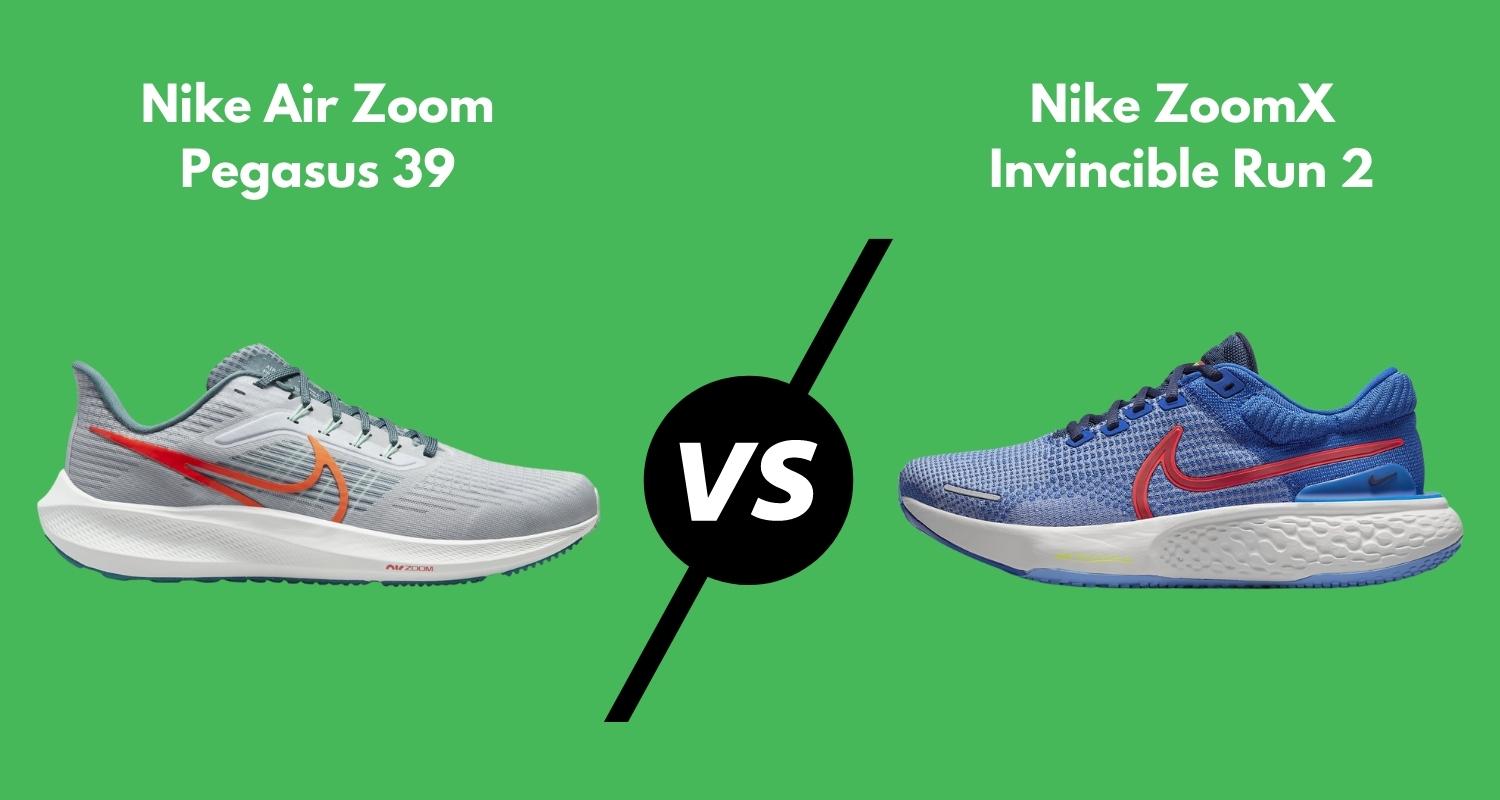
Vous vous intéressez à la Nike Air Zoom Pegasus ou à l'Invincible Run ? HasTrust attribue à ce sujet une note de confiance de 100/100 (De confiance). La Pegasus est un cheval de trait polyvalent pour l'entraînement quotidien, tandis que l'Invincible est une option premium à amorti maximal, idéale à réserver pour la récupération et les courses à effort facile.
Ce que nous avons vérifié nous-mêmes
Pourquoi ce score ?
La Nike Pegasus et l'Invincible répondent à des besoins très différents. La Pegasus est un excellent cheval de trait polyvalent pour l'entraînement quotidien à diverses allures, tandis que l'Invincible est un outil premium et spécialisé pour les courses de récupération et les efforts faciles où l'amorti maximal est la priorité. La plupart des coureurs devraient commencer par la Pegasus en raison de son meilleur rapport qualité-prix et de son utilité plus large, en réservant l'Invincible comme chaussure secondaire pour les jours de faible intensité.
Sponsorisé🛡 Vous achetez en ligne ? Une suite de sécurité bloque le phishing et les faux sites avant le paiement. Voir Kaspersky → · 10% de réduction sur Kaspersky Premium · Code SAVE


Avis vidéo
Avantages
- Pegasus : Excellente polyvalence et rapport coût par mile.
- Pegasus : Durable et stable sur diverses surfaces.
- Invincible : Amorti ZoomX haut de gamme, semblable à un nuage, pour la protection des articulations.
- Invincible : Idéale pour les courses de récupération et la réduction de la fatigue.
Inconvénients
- Invincible : Chère, lourde et peut être instable à des vitesses plus élevées.
- Invincible : Glissement du talon signalé et avant-pied étroit.
- Pegasus : Amorti moins moelleux que les alternatives à amorti maximal.
Meilleures options
Pourquoi changer : C'est l'entraîneur quotidien le plus polyvalent pour une large gamme d'allures et de distances, offrant un meilleur rapport coût par mile que l'Invincible.
Une meilleure alternative pour les coureurs à fort kilométrage (plus de 40 miles/semaine) ou ceux pesant plus de 180 lb qui ont besoin de plus de protection que ce que la Pegasus offre.
Ce que disent les sources web (non vérifié par nous)
Faits
Basé sur 8 sources
Nike Pegasus vs Nike Invincible: Which Running Shoe Is Best for You?Nike Pegasus 41 Review – iRunFarNike Pegasus vs Vomero vs Invincible for US Runners in 2026: Cost Per Mile After Cashback | ShopBack BlogNike Pegasus 39 vs. Invincible Run 2 (2022 Comparison)Nike Invincible 3 Vs Pegasus 41: Which To Buy In 2026 - My Style GridCut in half: Nike Invincible 3 Review | RunRepeatCut in half: Nike Pegasus 42 Review (2026) | RunRepeatNike Invincible 3 Review | SneakerLens💬 Posez une question sur cette boutique
Les réponses viennent de ce que nous avons vérifié sur ce site — l’IA choisit seulement le sujet, elle n’écrit rien.
🛡️ Contrôle de sécurité
Ce que vous devriez faire
- Payez quand même avec une protection acheteur (carte bancaire ou PayPal), jamais par virement.
- Vérifiez la politique de retour et le délai de livraison avant de commander.
- Nous continuons à surveiller ce site — revenez ici si quelque chose vous semble anormal plus tard.
🔍 Ce que nous avons vérifié nous-mêmes
Chaque ligne est une vérification réalisée par HasTrust, avec le jour où elle a eu lieu.
| Vérification | Résultat | Méthode | Quand |
|---|---|---|---|
| Certificat HTTPS | Valide — Amazon, expire le 2026-11-02 | Handshake TLS depuis nos serveurs | avant le 2026-06-23 |
| Enregistrement du domaine | 1995-03 (31 ans) | Fiche d'enregistrement RDAP | avant le 2026-06-23 |
| Première apparition sur le web | 1997 | Internet Archive | avant le 2026-06-23 |
| Rang de popularité | n° 745 sur Majestic Million | Liste Majestic Million | avant le 2026-06-23 |
| Liste de blocage | Non répertorié | Liste de blocage HasTrust | |
| Historique du score de confiance | 2 points enregistrés depuis le 2026-06-23, 100 → 100 | Modèle de score HasTrust |
Avis d'acheteurs
Pas encore d'avis — acheté ici ? Sois le premier à partager.
Les commentaires sont vérifiés avant publication. Le compteur se met à jour immédiatement.
Une erreur sur cette page ? Dites-le-nous
Ce site vous appartient, ou vous avez repéré une erreur ? Une personne examine chaque signalement et corrige la page si un fait est inexact.
Vérifié il y a 99 jours. · Notre notation →
Questions fréquentes
Nike Air Zoom Pegasus or Invincible Run est-il fiable ?⌄
Fiable. Score de confiance HasTrust : 100/100. La Nike Pegasus et l'Invincible répondent à des besoins très différents. La Pegasus est un excellent cheval de trait polyvalent pour l'entraînement quotidien à diverses allures, tandis que l'Invincible est un outil premium et spécialisé pour les courses de récupération et les efforts faciles où l'amorti maximal est la priorité. La plupart des coureurs devraient commencer par la Pegasus en raison de son meilleur rapport qualité-prix et de son utilité plus large, en réservant l'Invincible comme chaussure secondaire pour les jours de faible intensité.
Nike Air Zoom Pegasus or Invincible Run est-il une arnaque ?⌄
Notre vérification n'a relevé aucun signal majeur d'arnaque — vérifiez tout de même le paiement et le vendeur avant de payer.
Quel est le score de confiance de Nike Air Zoom Pegasus or Invincible Run ?⌄
HasTrust attribue à Nike Air Zoom Pegasus or Invincible Run la note de 100/100 (Fiable). Acheter
🔔 Email me if this shop's trust rating changes
Free. You confirm by email (double opt-in); unsubscribe any time.
📖 Guides utiles
D'autres ont aussi vérifié


Affichez votre score HasTrust en direct sur votre propre site — il renvoie ici pour que les visiteurs voient la vérification complète. Comment ça marche ↗

Le même badge, ajouté par un petit script. Choisissez-le si vous voulez que votre tableau de bord HasTrust montre sur quelles pages le badge est réellement vu. Il ne lit jamais les données de vos clients — seulement le chemin de la page, sans la chaîne de requête.
📬 Les nouvelles arnaques dans votre boîte mail — chaque semaine
Un court e-mail chaque lundi : les boutiques frauduleuses et sites à risque repérés cette semaine. Pas de spam, désinscription en un clic.
Double opt-in — nous n'écrivons qu'après votre confirmation.