Reseña del KTC H27P27: ¿Es legítimo este monitor 4K?
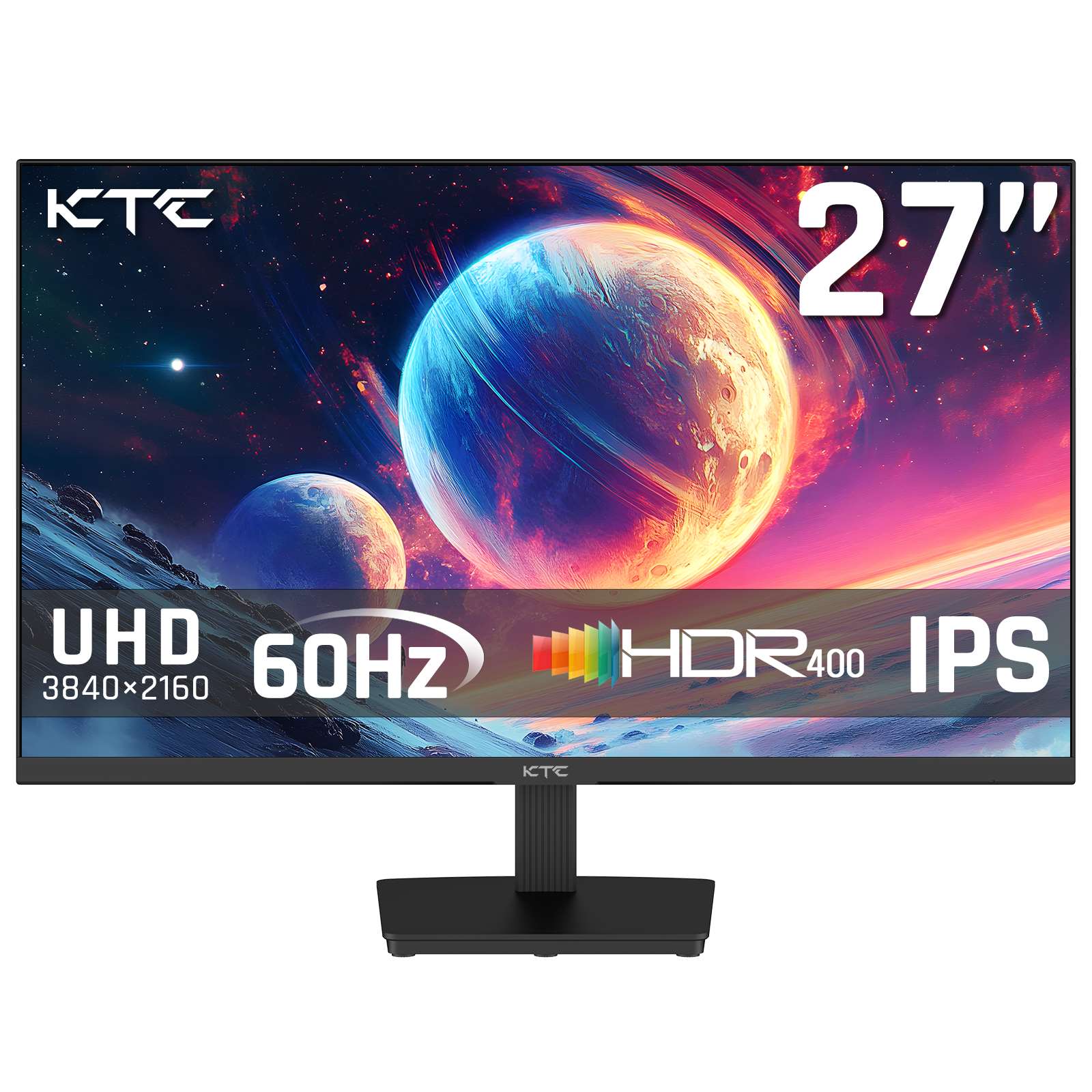
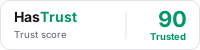
¿Buscas una reseña honesta del KTC H27P27? HasTrust otorga a este monitor de oficina 4K económico una puntuación de confianza de 90/100 (De confianza), ya que lo vende directamente el fabricante con una garantía de 3 años y una clara política de devoluciones de 30 días. Es una opción sólida y sin complicaciones para uso doméstico y de oficina, aunque carece de funciones avanzadas para juegos y se entrega con un soporte básico.
El KTC H27P27 es un monitor de oficina 4K legítimo y económico vendido directamente por el fabricante. Es una opción sólida y sin complicaciones para uso general doméstico y de oficina, que ofrece una buena precisión de color y una pantalla nítida a un precio competitivo. Aunque carece de funciones avanzadas para juegos y tiene un soporte básico, está respaldado por una garantía de 3 años y una clara política de devoluciones de 30 días, lo que lo convierte en una compra segura para usuarios que necesitan un espacio de trabajo 4K confiable.
Reseñas en vídeo
Pros
- La alta resolución 4K proporciona una excelente nitidez de imagen para el trabajo de oficina
- Buena cobertura de color (95% DCI-P3) para tareas creativas
- Precio competitivo en comparación con las principales marcas
- Soporte establecido y documentación de garantía disponibles en el sitio oficial
Contras
- Soporte ergonómico básico con ajuste limitado (solo inclinación)
- La implementación de HDR es limitada debido a la falta de tecnología avanzada de atenuación
- La tasa de refresco estándar de 60Hz no es ideal para juegos competitivos
Señales de seguridad
Datos
Mejores opciones
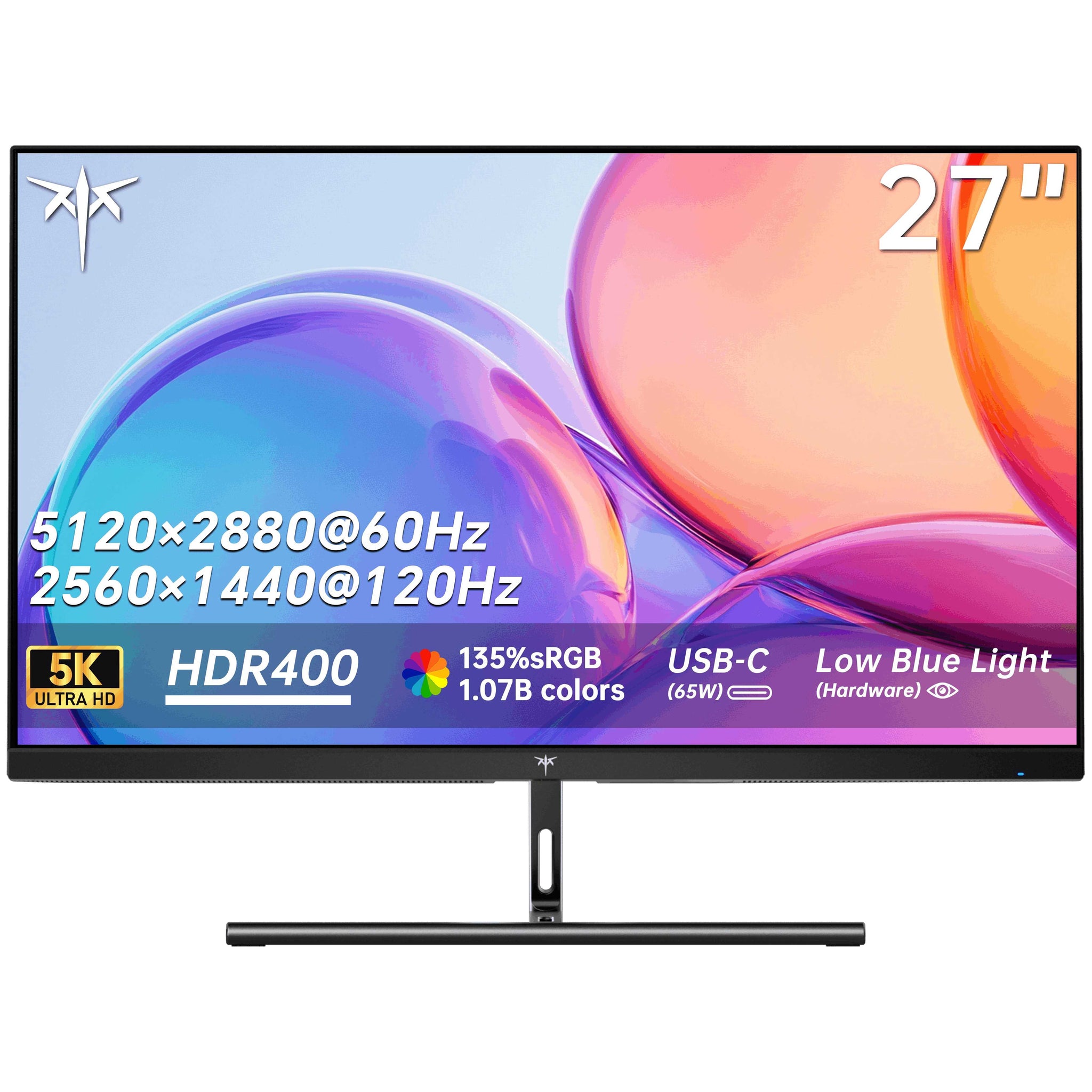
Por qué cambiar: Si eres un profesional creativo o deseas una mayor densidad de píxeles, el H27P3 ofrece una resolución 5K, carga USB-C de 65W y flexibilidad de modo dual (5K 60Hz / 2K 120Hz) que, según los reseñadores, es insuperable por el precio.
Basado en 8 fuentes
27-Inch 4K Monitor for Home & Office | UHD & Low blue LightKTC H27P27 Monitor Help: Setup, Mount & Fix Issues27" 5K 5120x2880 IPS Monitor for CreatorsAKTC H27P3 27-inch 5K dual-mode gaming monitor review: Incredible pixel density and flexibility | Tom's HardwareKTC H27P27 Monitor Review: Is This the Best 2K 200Hz Budget Gaming Display for Competitive Players?KTC H27T27 monitor review: Is the 2K QHD Fast IPS panel worth the price? - HOC.hu10 Red Flags of a Scam Website | ScamAdviser Guide🛡️ Chequeo de seguridad
Qué deberías hacer
- Aun así, paga con protección al comprador (tarjeta de crédito o PayPal), nunca por transferencia bancaria.
- Revisa la política de devoluciones y el plazo de entrega antes de pedir.
- Seguimos vigilando este sitio — vuelve aquí si algo te resulta extraño más adelante.
Informes de compradores
Aún no hay informes — ¿compraste aquí? Sé el primero en compartir.
Los comentarios se revisan antes de aparecer. El recuento se actualiza al instante.
Comprobado hace 48 días. · Cómo puntuamos →
Preguntas frecuentes
¿Es KTC H27P27 de fiar?⌄
De confianza. Puntuación de confianza de HasTrust: 90/100. El KTC H27P27 es un monitor de oficina 4K legítimo y económico vendido directamente por el fabricante. Es una opción sólida y sin complicaciones para uso general doméstico y de oficina, que ofrece una buena precisión de color y una pantalla nítida a un precio competitivo. Aunque carece de funciones avanzadas para juegos y tiene un soporte básico, está respaldado por una garantía de 3 años y una clara política de devoluciones de 30 días, lo que lo convierte en una compra segura para usuarios que necesitan un espacio de trabajo 4K confiable.
¿Es KTC H27P27 una estafa?⌄
Nuestra comprobación no encontró señales graves de estafa, pero verifica siempre el pago y el vendedor antes de pagar.
¿Cuál es la puntuación de confianza de KTC H27P27?⌄
HasTrust califica a KTC H27P27 con 90/100 (De confianza). Comprar
🔔 Email me if this shop's trust rating changes
Free. You confirm by email (double opt-in); unsubscribe any time.
📖 Guías útiles
Otros también comprobaron



Muestra tu puntuación de HasTrust en vivo en tu propio sitio — enlaza aquí para que los visitantes vean la comprobación completa. Cómo funciona ↗
📬 Nuevas estafas en tu correo — cada semana
Un correo breve cada lunes: las tiendas fraudulentas y sitios de riesgo detectados esa semana. Sin spam, baja con un clic.
Doble confirmación — solo te escribimos tras confirmar.