Reseña de las ASICS Novablast 2: ¿Valen la pena?
Esta reseña de las ASICS Novablast 2 analiza en qué destaca la zapatilla y dónde se queda corta. HasTrust le otorga una puntuación de 95/100 (De confianza): una zapatilla neutra para entrenamiento diario, blanda, con rebote y gran amortiguación, con estabilidad y calidad de construcción mejoradas respecto a la primera versión. Los corredores que necesiten la máxima estabilidad o agarre en terreno resbaladizo y técnico quizás prefieran buscar otra opción.
¿Por qué esta puntuación?
Las ASICS Novablast 2 son una zapatilla neutra para entrenamiento diario muy bien valorada y con gran amortiguación, conocida por su pisada blanda, con rebote y versátil. Representa una mejora significativa en estabilidad y calidad de construcción respecto a la primera versión, lo que la convierte en una opción fiable para carreras largas y entrenamiento diario. Aunque la mayoría de los corredores disfrutan de su comodidad, quienes necesiten la máxima estabilidad o corran en terreno resbaladizo y técnico pueden encontrar su agarre y su alto talón menos ideales.
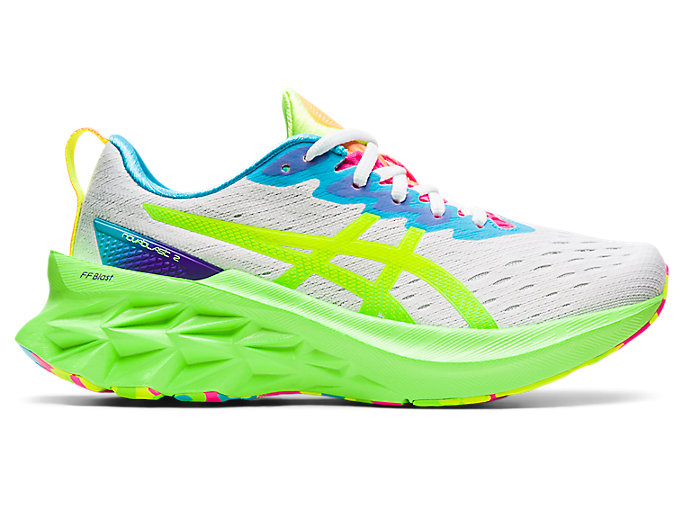
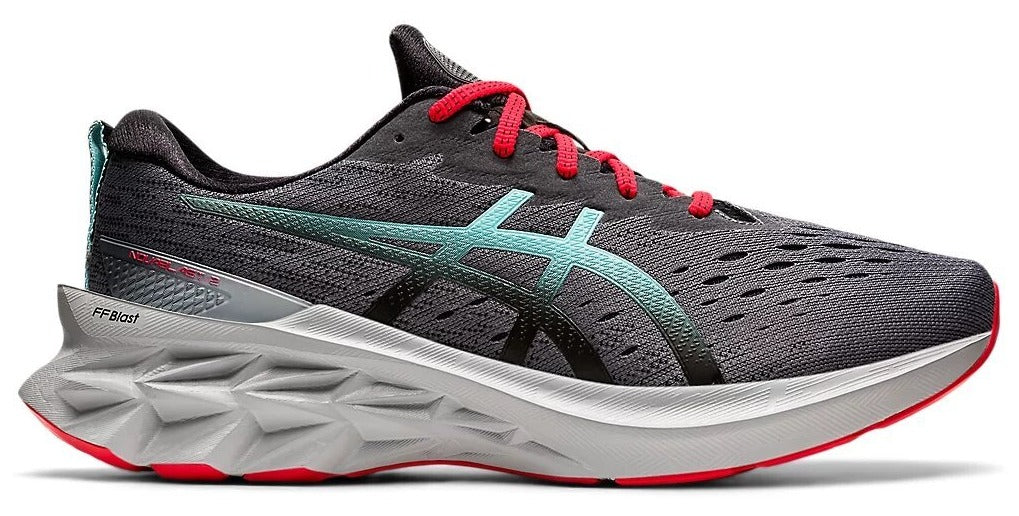
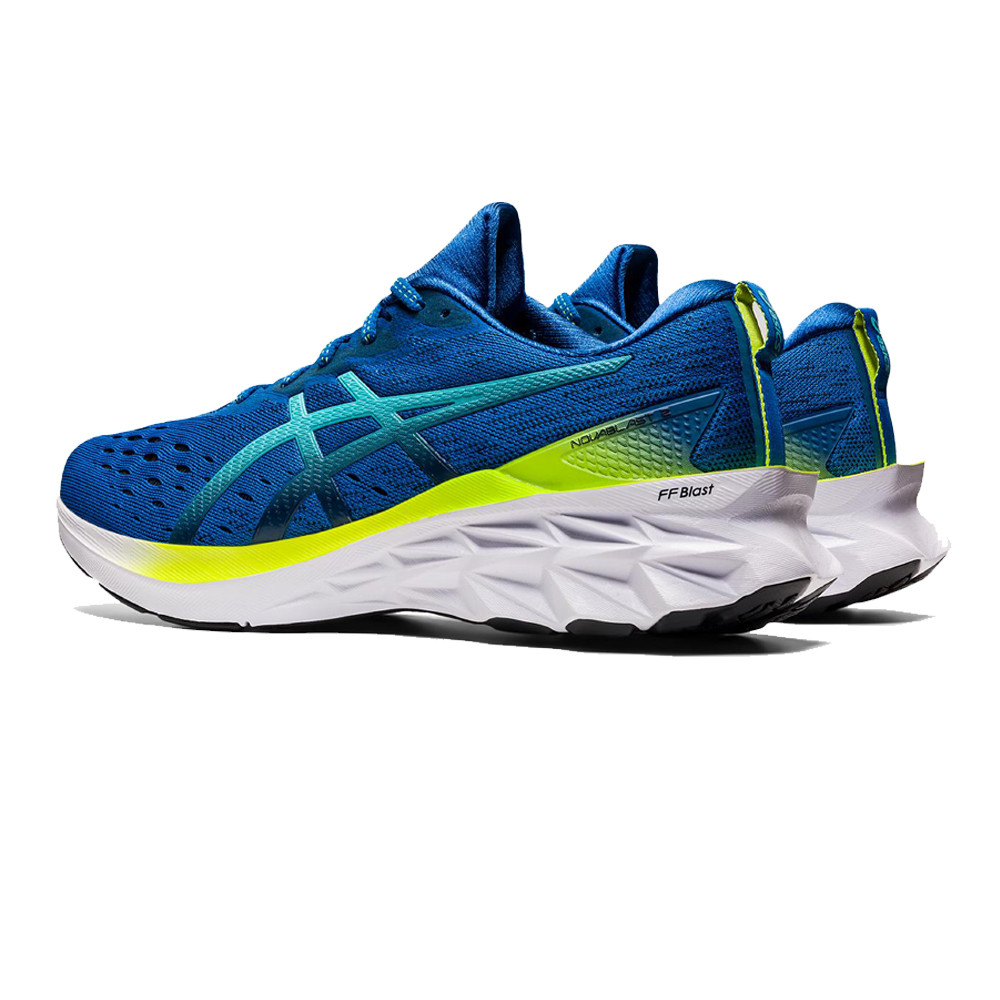
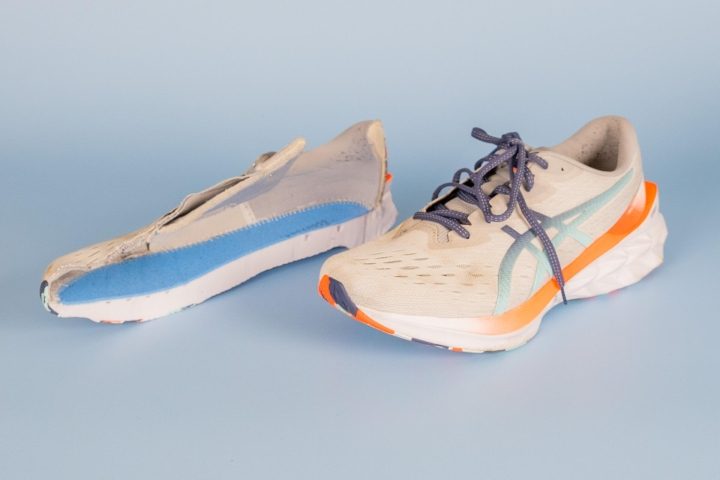
Reseñas en vídeo
Pros
- Amortiguación extremadamente blanda, cómoda y con rebote
- Versátil para carreras largas, carreras de recuperación y entrenamiento diario
- Estabilidad y construcción del upper mejoradas respecto a la versión 1
- Sensación premium y upper de malla transpirable
- Construcción duradera para uso diario
Contras
- Puede sentirse inestable en las curvas o para corredores que necesitan mucho soporte
- Algunos usuarios reportan problemas de talla; puede ser necesario elegir una talla menos
- El agarre puede ser poco fiable en superficies mojadas o técnicas
- La altura del talón es muy alta, lo que a algunos corredores no les gusta
- La puntera puede resultar poco profunda para algunos usuarios
⚠ Señales de alerta
- Agarre cuestionable en superficies mojadas o con barro
- Posibles problemas de estabilidad para corredores que requieren un soporte importante
Señales de seguridad
Datos
Mejores opciones
Por qué cambiar: Recomendado como una alternativa similar con gran amortiguación.
Otra alternativa sugerida para quienes buscan una amortiguación similar.
Basado en 8 fuentes
NOVABLAST 2 | ASICSMen's Asics Novablast 2 | Marathon SportsAsics Novablast 2 Running Shoes | SportsShoes.comCut in half: ASICS Novablast 2 Review | RunRepeatASICS Novablast 2 - men's & women's running shoe | Impartial reviews & price comparison | geerly 👟Asics Novablast 2 Review | Running Shoes GuruASICS Novablast 2 Reviews | Zappos.comASICS Novablast 2: review🛡️ Chequeo de seguridad
Qué deberías hacer
- Aun así, paga con protección al comprador (tarjeta de crédito o PayPal), nunca por transferencia bancaria.
- Revisa la política de devoluciones y el plazo de entrega antes de pedir.
- Seguimos vigilando este sitio — vuelve aquí si algo te resulta extraño más adelante.
Informes de compradores
Aún no hay informes — ¿compraste aquí? Sé el primero en compartir.
Los comentarios se revisan antes de aparecer. El recuento se actualiza al instante.
Comprobado hace 49 días. · Cómo puntuamos →
Preguntas frecuentes
¿Es ASICS Novablast 2 de fiar?⌄
De confianza. Puntuación de confianza de HasTrust: 100/100. Las ASICS Novablast 2 son una zapatilla neutra para entrenamiento diario muy bien valorada y con gran amortiguación, conocida por su pisada blanda, con rebote y versátil. Representa una mejora significativa en estabilidad y calidad de construcción respecto a la primera versión, lo que la convierte en una opción fiable para carreras largas y entrenamiento diario. Aunque la mayoría de los corredores disfrutan de su comodidad, quienes necesiten la máxima estabilidad o corran en terreno resbaladizo y técnico pueden encontrar su agarre y su alto talón menos ideales.
¿Es ASICS Novablast 2 una estafa?⌄
Posibles puntos a tener en cuenta de nuestra comprobación: Agarre cuestionable en superficies mojadas o con barro; Posibles problemas de estabilidad para corredores que requieren un soporte importante
¿Cuál es la puntuación de confianza de ASICS Novablast 2?⌄
HasTrust califica a ASICS Novablast 2 con 100/100 (De confianza). Comprar
🔔 Email me if this shop's trust rating changes
Free. You confirm by email (double opt-in); unsubscribe any time.
📖 Guías útiles
Otros también comprobaron



Muestra tu puntuación de HasTrust en vivo en tu propio sitio — enlaza aquí para que los visitantes vean la comprobación completa. Cómo funciona ↗

📬 Nuevas estafas en tu correo — cada semana
Un correo breve cada lunes: las tiendas fraudulentas y sitios de riesgo detectados esa semana. Sin spam, baja con un clic.
Doble confirmación — solo te escribimos tras confirmar.